

Tinnitus Treatment & Relief
Tinnitus, commonly known as "ringing in the ears," is a condition that impacts millions of people worldwide. It can affect your quality of life, concentration, and even emotional well-being.
We are dedicated to providing comprehensive tinnitus treatment solutions tailored to each individual's tinnitus and needs.
We also now offer the Lenire device for tinnitus treatment. Lenire is the first FDA-approved device of its kind available in the United States.
Learn
What is Tinnitus?
Tinnitus is the perception of noise or ringing in the ears when no external sound is present. It can manifest as ringing, buzzing, hissing, whistling, swooshing, or clicking. Tinnitus can be a symptom of an underlying condition, such as age-related hearing loss, ear injury, or a circulatory system disorder.
Symptoms of Tinnitus
The hallmark symptom of tinnitus is hearing sound when no external sound is present. Tinnitus symptoms can vary from person to person in pitch and intensity, from a low roar to a high squeal, and you may hear it in one or both ears. These sounds may be constant or intermittent. In some cases, the sound can be so loud it interferes with your ability to concentrate or hear external sound. The intensity and pitch of tinnitus can also fluctuate, influenced by factors like stress.
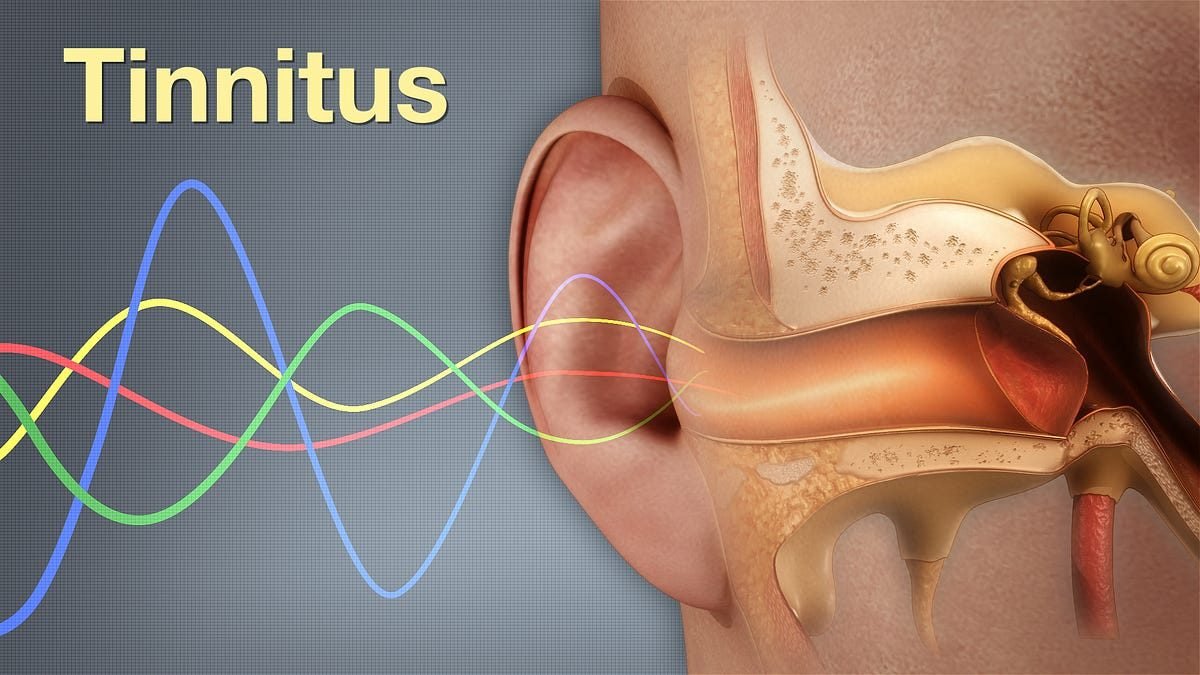 Illustration of sound waves entering the ear
Learn
What Causes Tinnitus?
One common cause of tinnitus is hearing loss. When the cells in the inner ear are damaged, they can send random electrical impulses to your brain, causing tinnitus.
Other significant causes of tinnitus include exposure to loud noise, earwax blockage, and changes in the ear bones. Tinnitus can also be a symptom of other medical conditions such as Meniere's disease, TMJ disorders, or head and neck injuries. Certain medications can also cause tinnitus, particularly when taken in higher doses.
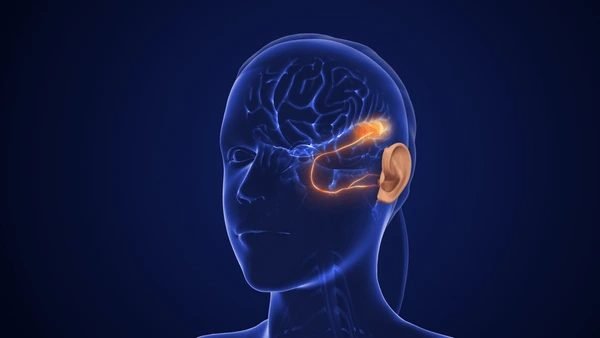 Illustration of the auditory pathway lighting up in the brain
Learn
Treatment Options
At All About Audiology, we offer a range of treatment options to help you manage tinnitus.
Sound Therapy
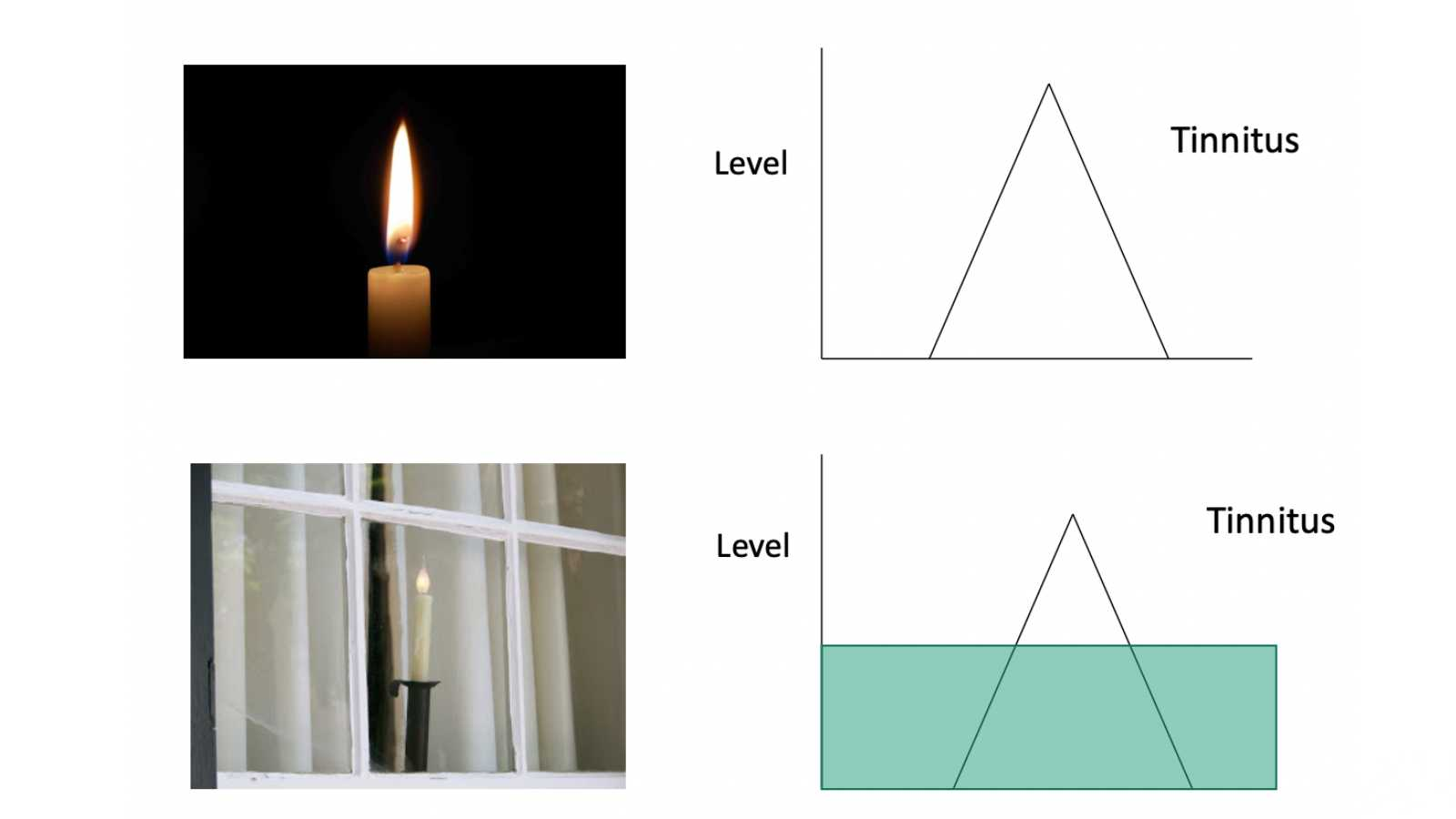
Sound therapy uses external noise to mask the tinnitus or minimize the contrast between the tinnitus and the ambient environment. It can be as simple as a fan or white noise machine or more targeted therapies using specialized devices.
Cognitive Behavioral Therapy (CBT)
CBT is a type of talk therapy that can help change the way you perceive tinnitus sounds, teaching you coping techniques to make the sounds less bothersome. It addresses the emotional response to tinnitus and can significantly improve your quality of life by reducing stress, anxiety, and depression related to tinnitus.
Tinnitus Retraining Therapy (TRT)
TRT combines sound therapy with directive counseling to retrain the brain to ignore the tinnitus sounds. TRT helps individuals become less aware of their tinnitus. It focuses on habituation to tinnitus to break the cycle of negative responses.
Hearing Aids for Tinnitus
For those whose tinnitus is related to hearing loss, hearing aids can be remarkably effective. They amplify external sounds, making tinnitus less noticeable and improving the wearer's ability to hear real environmental sounds. Many modern hearing aids also include built-in tinnitus management programs.
Medication and Supplements
Some medications and supplements may help reduce the severity of tinnitus symptoms. It’s important to consult with a healthcare professional before starting any new medication or supplement.
FAQs
FAQs About Tinnitus
Q: Can tinnitus be cured?
While there’s no cure for tinnitus, the conditions are manageable. With the right treatments, you can minimize its impact on your life.
Q: Is tinnitus a common problem?
Yes, tinnitus affects millions of people worldwide. It’s a condition that people of any age can experience, though it’s more common in older adults.
Q: Are there different types of tinnitus?
Tinnitus is generally categorized into two types: subjective and objective. Subjective tinnitus, the more common type, is tinnitus only you can hear. This kind of tinnitus can be caused by ear problems in your outer, middle, or inner ear. Objective tinnitus, which is much rarer, is tinnitus your doctor can hear when doing an examination.
Q: Can tinnitus lead to hearing loss?
Tinnitus itself does not cause hearing loss, but it can coexist with hearing loss. Many people with tinnitus may also experience some degree of hearing loss.
Q: Can stress or anxiety cause or worsen tinnitus?
Stress and anxiety can exacerbate tinnitus. Stress can heighten your body's response to the symptoms of tinnitus, making the ringing or other noises more noticeable or bothersome. Managing stress through relaxation techniques, exercise, or therapy can sometimes provide relief from tinnitus.
Q: Are there lifestyle changes that can help with tinnitus management?
Yes, certain lifestyle changes can help manage tinnitus symptoms. Avoiding exposure to loud noises, reducing caffeine and alcohol consumption, and getting adequate rest can contribute to symptom relief.
Your Tinnitus Visit
Take tinnitus from bothersome to not bothersome
Because “Learn to live with it” isn’t a plan.
- Complete and or review diagnostic audiogram (your hearing test)
- Complete any extra testing needed for your tinnitus diagnosis
- Why do I have tinnitus… education regarding your tinnitus
- Treatment options that are available and that are best for your specific needs
- Establish your treatment plan


Reach Out Today
Visit Us For Tinnitus Management
We understand the complexity of tinnitus and offer personalized treatments and support for all our patients. Our goal is to help you manage your tinnitus effectively and regain control over your life. At All About Audiology, we're here to guide you every step of the way with expert care that matches your unique situation.